
So far, in my short series of blog posts introducing you to the wonderful world of reversing aging with ghetto tools, we’ve covered “3 Must Have’s” and “Mistakes to Avoid“.
In this post, I want to share some of the wellness and fitness strategies that have helped me feel like I’m aging in reverse. And you’ll probably wonder if I lost my mind.
Now, when I talk about what to do if you are on a weight-loss journey, you’ve probably heard me say: deal with lifestyle stress first, then focus on nutrition, movement, and exercise. And I’m still 100% behind this list of priorities if you’re ONLY interested in losing weight and getting fitter.
Buuuut when it comes to reversing aging, the approach is a little different. Everything, stress, nutrition, movement, and exercise, still matters, but in this case, exercise takes the top spot above all else.
Why Exercise Should Be Your Priority When You Work On Reversing Aging
As we age, our muscles naturally begin to shrink through a process called sarcopenia. It’s a slow burn, but over 10 or 20 years, the muscle loss becomes significant. You know this is happening if your once angular physique starts looking a bit softer, and you’re not bouncing back from workouts like you used to. And let’s not mention your performance nose diving despite all your hard work.
That’s why exercise, specifically weightlifting and resistance training, is key. Lifting heavy not only helps preserve muscle, but it also revs up your metabolism, which means you’ll burn more fat even when you’re chilling on the sofa. The amount of fat burn brought to you by the process of EPOC (Excess Post-Exercise Oxygen Consumption) isn’t miraculous, in fact, it only comes in at between 6% and 15% additional calories burned. However, although it doesn’t seem much it all adds up and it’s better than a poke in the eye with a sharp stick.
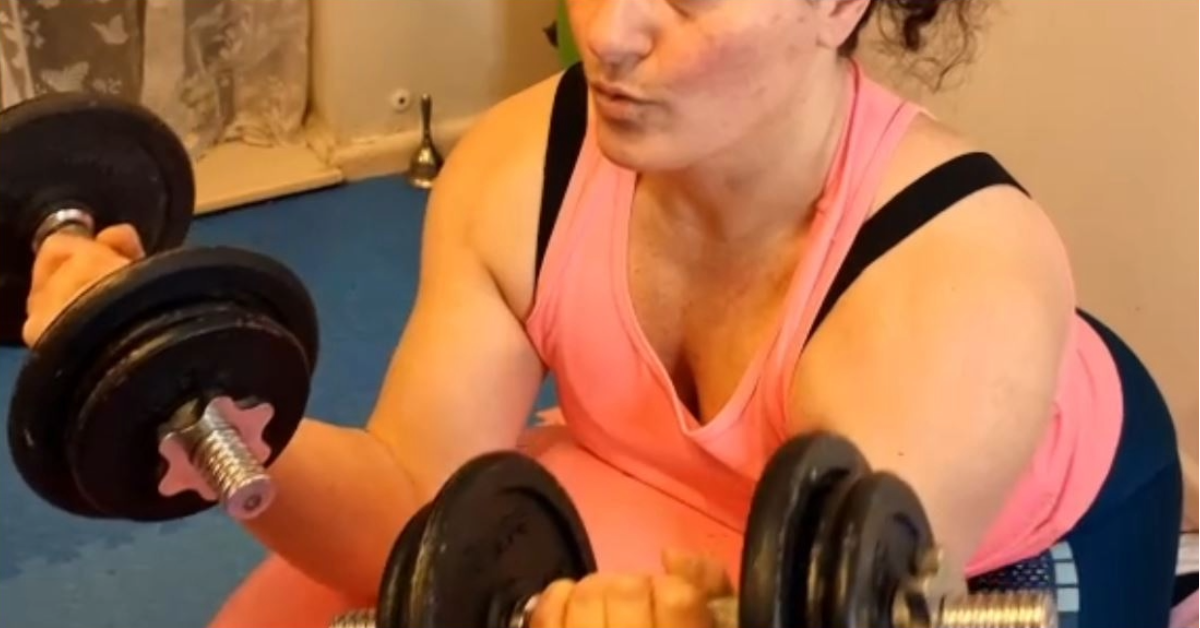
If you’re a woman over 40 reading this and you’re still worried that by lifting heavy weights you’re going to look like Mr. Olympia… relax, it’s not going to happen unless you take things that’ll make it happen. The most likely scenario is that you’re going to stop jiggling when you run and, instead of developing a beer belly despite being sober, you’ll regain some of your hourglass figure. And you’ll be less likely to break bones if you slip on a banana skin on the curb.
If you’re short on time, focus on lower-body exercises since your biggest muscles are down there. And don’t skip your upper body, core, or back. Keeping everything in balance is crucial for tackling everyday life with ease well into your golden years.
Now that we’ve covered why resistance matters, here’s how to make it work for you after 40.
💪 Strength Training After 40: How to Do It Right
You already understand why strength training matters, now let’s talk about how to do it in a way that actually works for someone in midlife.
Here’s the practical stuff that makes the difference:
1) Keep it Simple but Consistent
- Aim for 2–3 strength sessions per week. Enough to build and preserve muscle, without burning you out.
- Focus on full‑body movements that count for everyday life, think squats, rows, presses, hinges, and carries. You don’t need fancy equipment.
2) Progress Gradually
- Track a couple of metrics:
✦ More reps
✦ More resistance
✦ Better movement quality - You don’t train to pain. You train to improvement.
3) Form Over Ego
- A stable, controlled squat is worth more than a wobbly heavy squat.
- Warming up your joints matters more after 40 than pushing harder.
4) Recovery Isn’t Optional
- Rest between sessions, and between sets, matters just as much as effort. Your body actually gets stronger when it recovers.
- One of my mentors used to say “push until you can’t, rest until you can”. I still abide by this rule to this day.
5) Mix Strength With Movement
- Combine strength with mobility, balance, and short bursts of activity, not endless cardio.
- The goal isn’t to train like you did at 25. It’s to be stronger than yesterday.
If you want a plan that actually works with your midlife reality (energy, hormones, time) my Fit After 50 Workout Plan breaks it all down for you.
Short, Intense Workouts Are Gold
As we get older, our bodies don’t handle stress as efficiently. So instead of marathon workouts, short, sharp, and intense sessions work best. Not only are they more manageable, but they also maximize the benefits without overloading your nervous system. If you’re learning a new skill in a workout class, make sure you take plenty of rest between active sessions to keep the stress on your body in check.
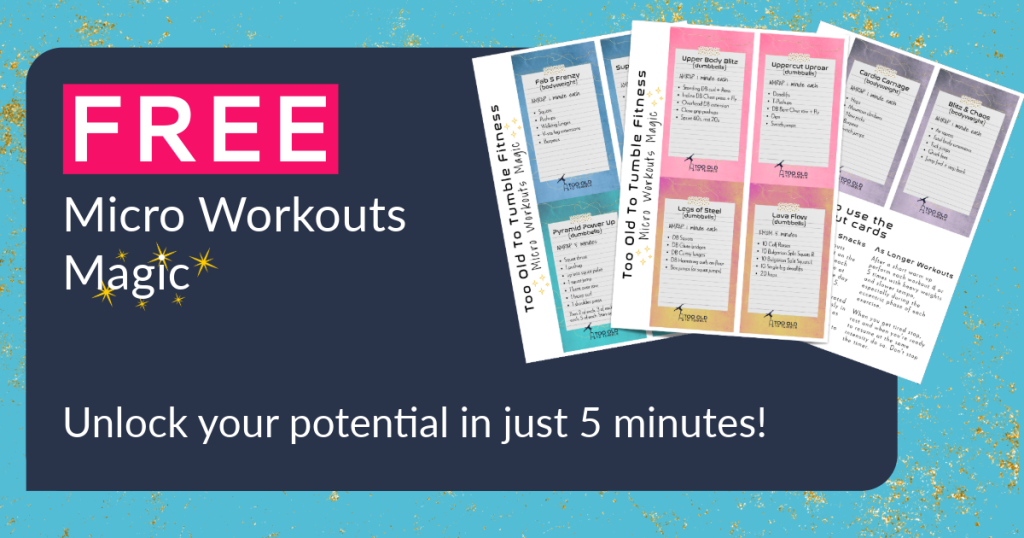
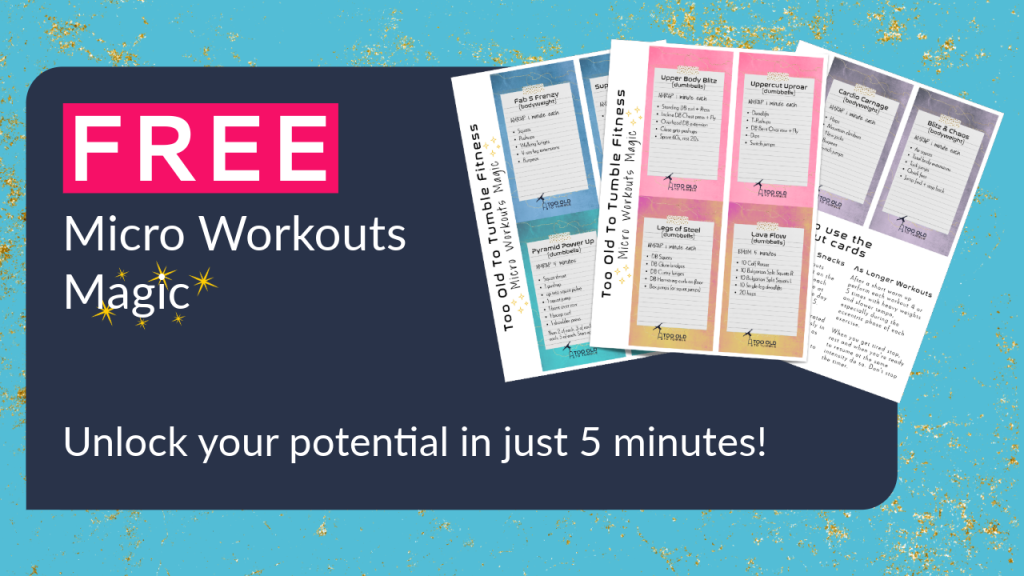
I recently created my Micro Workouts Magic Cards to help you keep your workouts super short but effective. There’s a whole body of evidence showing how short bursts of exercise are great for reversing the effects of a sedentary lifestyle AND keep you ticking over when you don’t feel like completing a full length workout. My workout cards will take out the guess work while providing you with short workouts designed to keep building your strength.
Daily Movement Matters Too
Exercise is great, but don’t forget about daily movement, which includes walking, gardening, and even household chores. These everyday movements keep your joints supple and are essential for mobility. If you struggle with stiffness, add some mobility drills and stretching into your routine. You don’t have to do it all at once either. Mix it up: workout, walk, do some mobility drills, and stretch. Balance intense activity with something more restorative to keep your body in harmony. And don’t neglect practices that will help you downregulate your nervous system.
Get Your Nutrition in Check
Once you’ve nailed your exercise and movement, it’s time to focus on nutrition. It’s not just about what you eat, but when you eat it. Your body goes through chemical changes when you exercise, and if you time your meals right, you can use these changes to your advantage. For example, everyone talks about insulin resistance, but very few people discuss how insulin, a growth hormone, is your friend when you want to build muscle because it transports glycogen to your cells assisting with the repair (and growth) process.
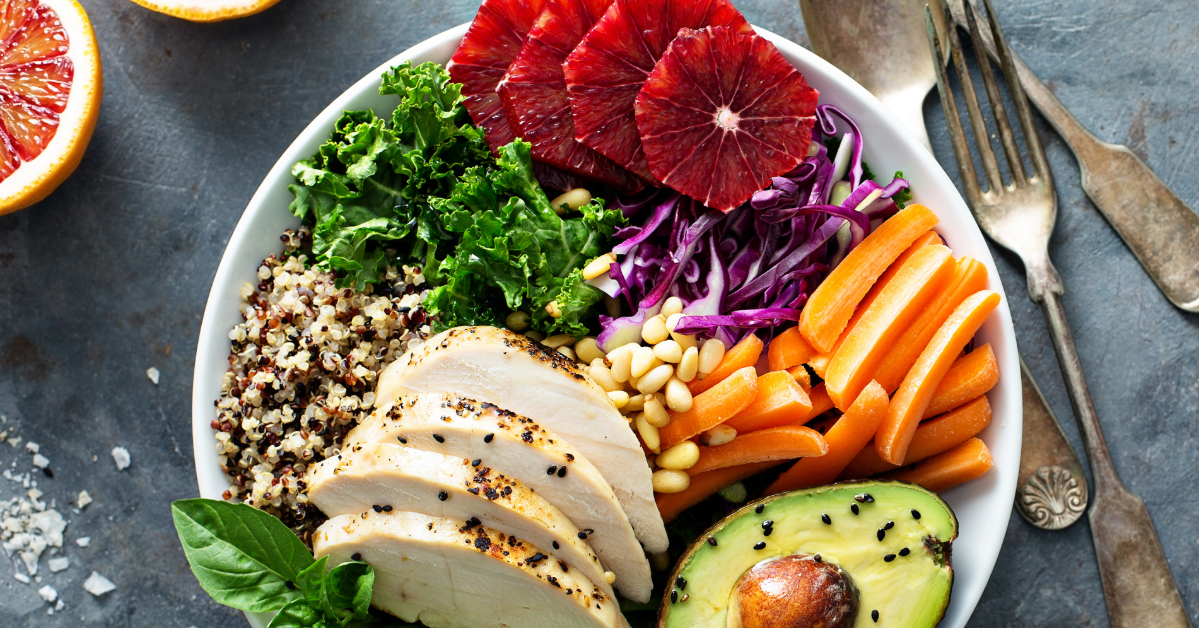
Since building muscle is our goal here, make sure your diet supports that. It’s all about fueling your workouts and giving your body the nutrients it needs to thrive once the workout is over.
Prioritize Sleep and Stress Management
With your exercise, movement, and nutrition in place, now it’s time to talk about the ultimate recovery tool: sleep. Sleep is your best friend when it comes to detoxing, stress management, and overall well-being. Aim for seven to nine hours a night to let your body complete all its sleep cycles. This will help keep your stress in check, and you’ll wake up feeling refreshed, pain-free, and ready to tackle the day.
If sleep alone isn’t enough to manage your stress, then it’s time to take a hard look at your lifestyle. What can you let go of that’s causing unnecessary turmoil? It could be as simple as disconnecting from social media, turning off your phone, or getting outside for a walk in nature. Sunlight, meditation, music, dancing around your living room, or playing with your pets (as long as they’re not stressing you out) are all great ways to chill out.
Or how about a day at your local Spa or maybe a Thai Yoga Massage? Both are great ways to create the space to disconnect and distance yourself from the daily grind.
Start Simple, See Big Results
As you can see, the strategies for reversing aging are straightforward but highly effective. Start with exercise, then layer in daily movement, nutrition, sleep, and stress management. These simple steps can make a huge difference in how you feel, and the results can come in just a matter of weeks or months.
There’s a lot more to aging in reverse than I can cover in one post, but this is a solid foundation.
Start here and stick with it, and you’ll start feeling stronger, more energetic, and yes, like you’re actually aging in reverse.
And, as always, if you want my help with creating the perfect plan for you, don’t forget to book your complimentary call so we can discuss the best options for you. Simply choose your slot in the calendar below.
Leave a Reply